
10 Different Ways to Make Cranberry Sauce: From Classic to Unexpected
Cliff Notes
You can make cranberry sauce in at least ten distinct ways: classic stovetop, slow cooker, roasted, jellied, fresh raw, spiced with warm spices, spiked with alcohol, blended smooth, made with alternative sweeteners, or cooked with savory ingredients like onion and balsamic. Each method produces a noticeably different result in texture, flavor, and depth.
Cranberry sauce has a reputation problem. Most people picture the canned stuff that slides out in the shape of the can and holds its ridges on the plate like a tiny edible artifact. That version has its fans, and nobody is here to argue with them. But cranberry sauce is genuinely one of the most flexible condiments in the kitchen, and the fact that it mostly shows up once a year, from a can, on a table next to turkey, is doing it a real disservice.
Fresh cranberries are tart, firm, and loaded with natural pectin, which means they want to gel on their own. They take on spices well. They play nicely with citrus, booze, herbs, and heat. The ten methods below cover the full range, from the simplest weeknight approach to the kind of sauce that makes people ask what’s in it three times before they believe you.
Each section covers what the method produces, how to do it, and why it works. A bag of cranberries costs about three dollars. There’s no good reason to eat the canned kind if you don’t want to.
🍒 10 Ways at a Glance
2. Slow Cooker
3. Oven Roasted
4. Jellied
5. Fresh Raw Relish
6. Warm Spiced
7. Spiked with Alcohol
8. Blended Smooth
9. Alternative Sweeteners
10. Savory Style
1. Classic Stovetop Cranberry Sauce
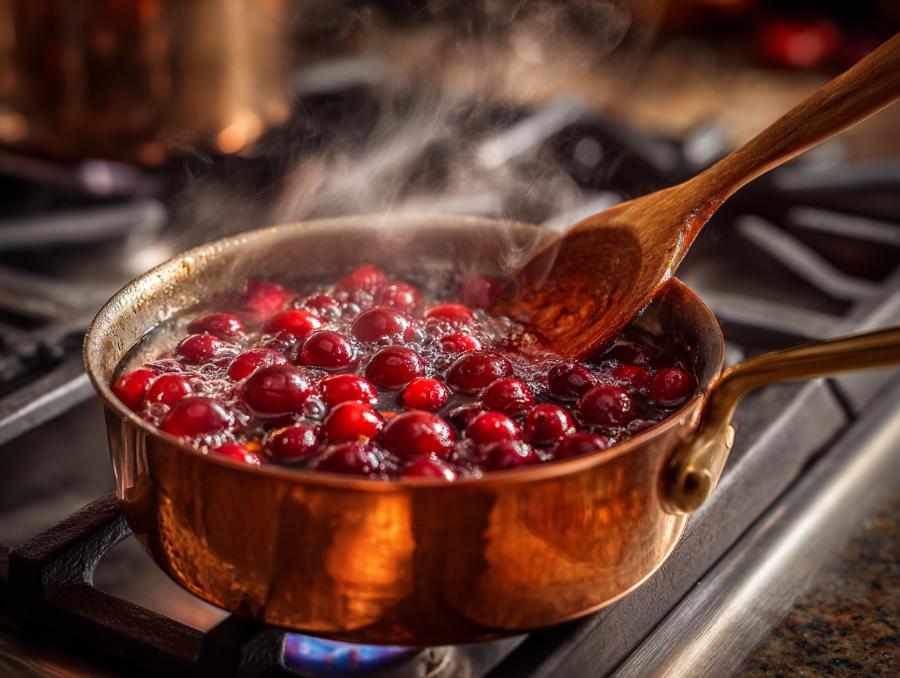
This is the one that requires almost no explanation, which is exactly what makes it worth explaining properly. The classic stovetop method uses three ingredients: fresh cranberries, sugar, and water. That’s it. You bring the water and sugar to a simmer, add the cranberries, and cook them until they pop and the mixture thickens. It takes about fifteen minutes start to finish.
What makes it work is the natural pectin in the cranberry skins. As the berries break down, the pectin releases and acts as a thickener without any additional gelling agents. The sauce will look thin when it’s hot. Let it cool and it firms up considerably. A common mistake is cooking it until it looks thick on the stove, which means it’ll be nearly solid by the time it hits the table.
The standard ratio is one cup of water, one cup of sugar, and twelve ounces of cranberries. From there, you can go anywhere. A strip of orange peel added during cooking changes the whole profile. A pinch of salt sharpens it. Vanilla extract added at the end softens the tartness without making it sweet. This method is the foundation. Learn it and everything else makes more sense.
2. Slow Cooker Cranberry Sauce
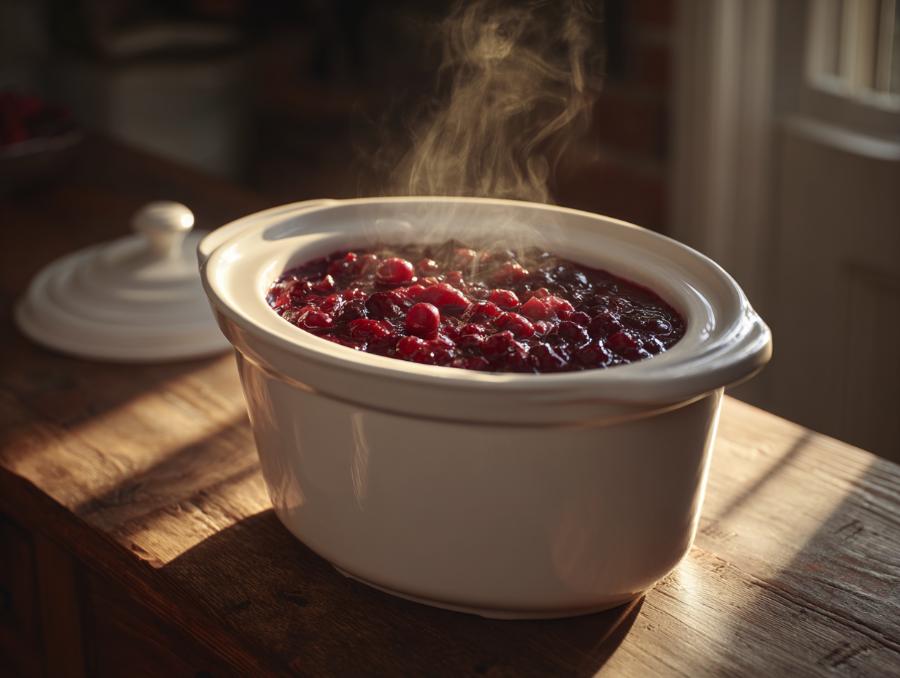
The slow cooker method is for people who want cranberry sauce without standing over it. You combine the cranberries, sugar, and a small amount of liquid in the slow cooker, set it to low, and walk away for three to four hours. It’s the most hands-off approach of the ten, and it produces a sauce with a deeper, slightly more concentrated flavor than the stovetop version.
Because there’s less liquid used and the cooking is slower, more moisture evaporates gradually rather than being cooked off quickly. The result is a sauce that tastes like cranberries had more time to think about what they wanted to be. The texture tends to be slightly chunkier because the berries aren’t being stirred or agitated much during cooking.
This method is especially useful around the holidays when your stovetop is occupied by four other things simultaneously. Use half a cup of orange juice instead of water for the liquid and you get a slow cooker cranberry sauce that tastes like it took significantly more effort than it did. Stir it once or twice in the last hour to break down any remaining whole berries.
3. Oven Roasted Cranberry Sauce
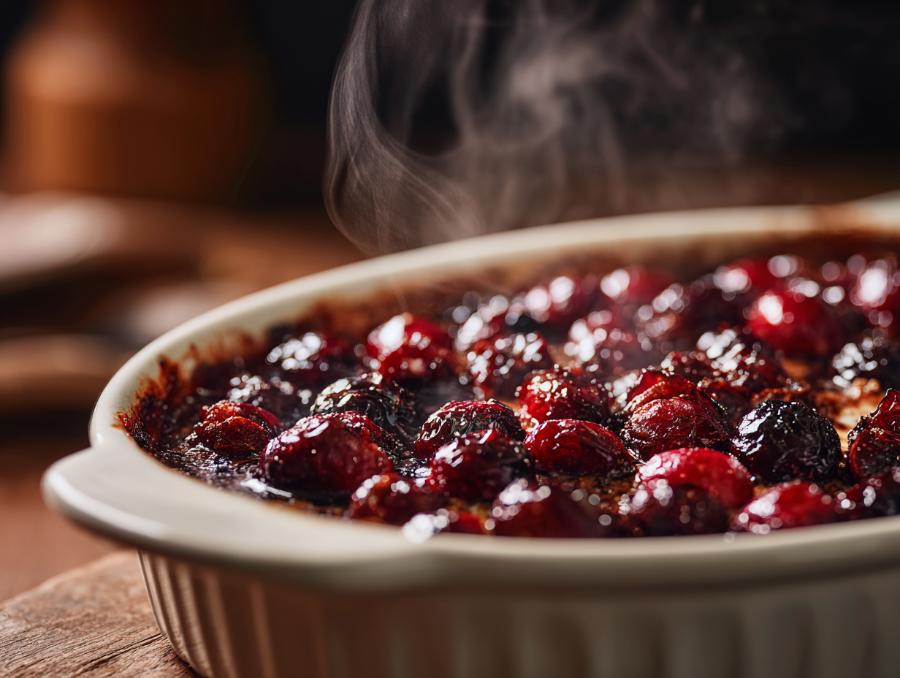
Roasting cranberries in the oven instead of cooking them on the stove produces a sauce with noticeably more complexity. At high heat, around 400 degrees Fahrenheit, the natural sugars in the berries caramelize slightly before they break down. You get a sauce that’s deeper in flavor and slightly jammy in texture, with a richness that the stovetop version doesn’t quite reach.
To make it, spread cranberries in a single layer in a baking dish, toss them with sugar and a small amount of oil or orange juice, and roast for about twenty to twenty-five minutes until the berries have burst and the juices are thick and bubbling. The edges will get slightly darker than the center, and that’s where the flavor is.
Once it comes out of the oven, mash it gently if you want a smoother texture, or leave the burst berries mostly intact for something closer to a compote. Roasted cranberry sauce works particularly well alongside roasted meats and on cheese boards, where the extra depth balances stronger flavors. It also reheats well, which not all cranberry preparations do.
4. Jellied Cranberry Sauce
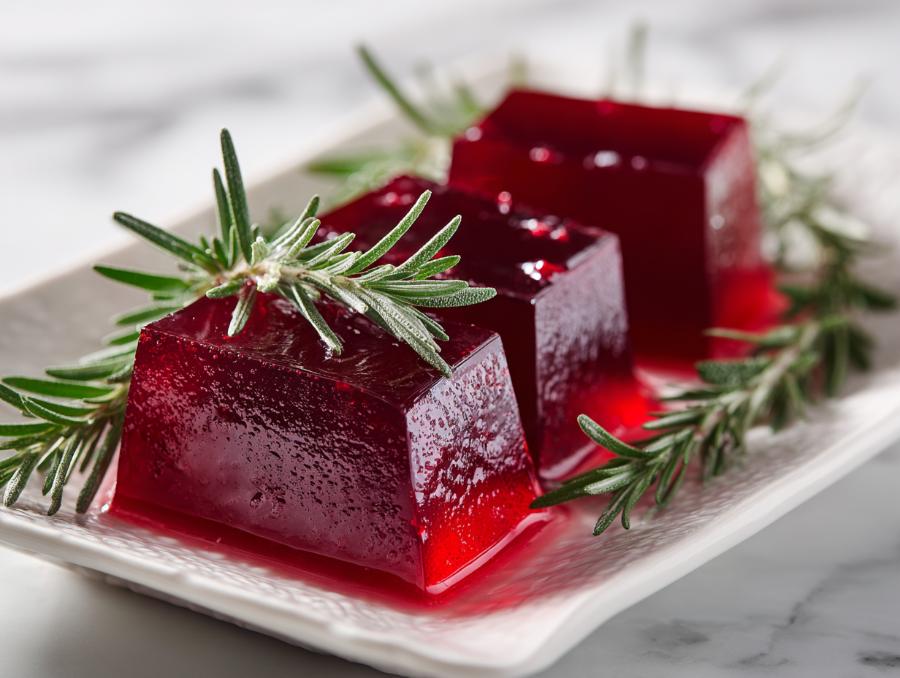
The jellied version is what most people are picturing when they think of cranberry sauce from a can. Making it at home produces the same smooth, sliceable texture but with a flavor that’s cleaner and less metallic. It’s also the only method on this list that requires straining.
Start with the classic stovetop approach, but cook the berries longer until they’re completely broken down. Then press the entire mixture through a fine mesh strainer or food mill to remove all the skins and solids. What’s left is a smooth, deep red liquid. Pour it into a mold or loaf pan and refrigerate until it sets. The natural pectin does the gelling. No added gelatin is needed if you’ve cooked it down enough.
The result slices cleanly and holds its shape at room temperature. This is the version to make if you’re serving people who genuinely prefer the canned product but are willing to be quietly converted. Put it on a plate, slice it, and say nothing. Most people won’t realize it’s homemade until someone tells them.
5. Fresh Raw Cranberry Relish
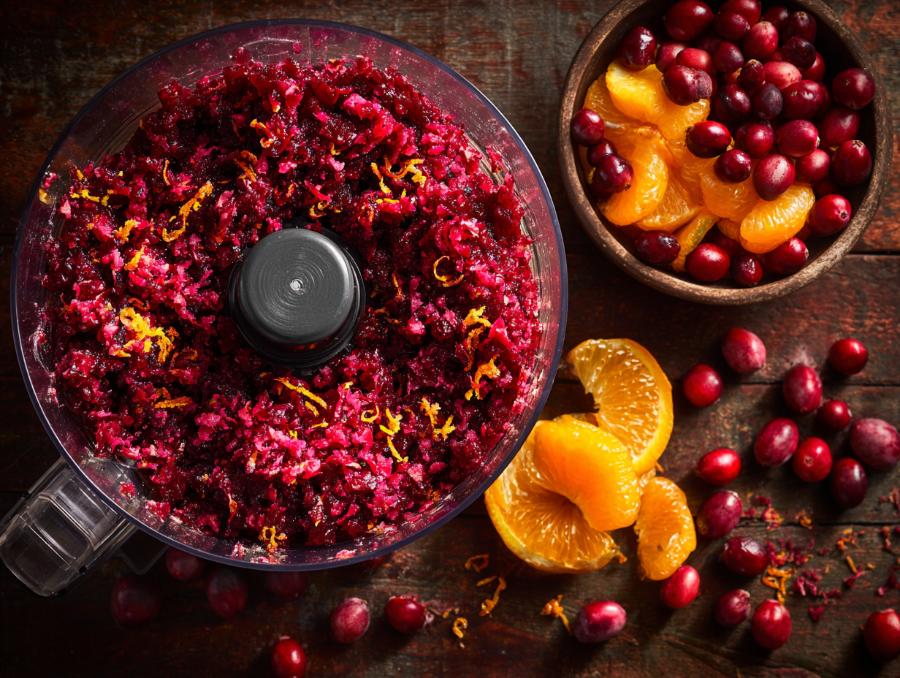
This method doesn’t involve any heat at all, which puts it in a different category from the others. Raw cranberry relish is made in a food processor. You pulse fresh cranberries with orange segments, sugar, and sometimes a little ginger or jalapeño until you get a coarse, bright mixture that’s more relish than sauce.
The flavor is sharp, very tart, and much more vibrant than any cooked version. Nothing has been mellowed by heat. The cranberry flavor is right at the front, and the texture has a pleasant rough chop to it. It looks like a ruby salsa. It essentially is a ruby salsa.
Raw relish needs to sit in the refrigerator for at least a few hours before serving, ideally overnight. The sugar draws out moisture and the flavors meld into something less aggressive than the fresh-made version. It won’t keep as long as cooked sauce, about a week in the fridge, but it’s the quickest of the ten methods and requires no cooking at all. It also pairs well with things most people wouldn’t expect cranberry sauce near, including grilled fish, tacos, and grain bowls.
6. Warm Spiced Cranberry Sauce
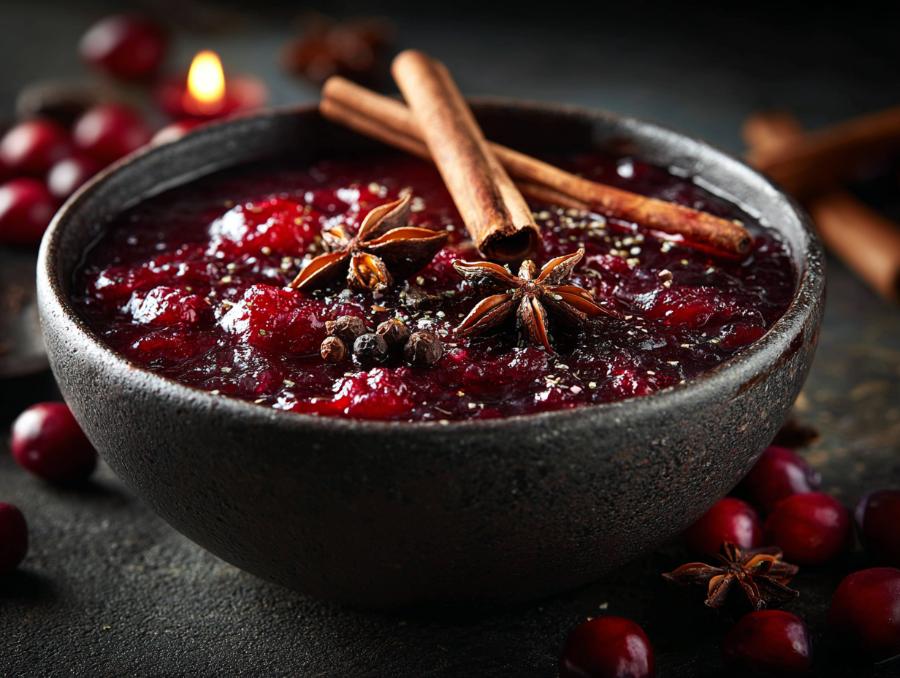
Adding warm spices to cranberry sauce is the difference between something that tastes like a condiment and something that tastes like it belongs at the center of the meal. Cinnamon, cloves, allspice, and star anise are the main players. They don’t overpower the cranberry. They round it out and add a depth that reads as holiday without being obvious about it.
The method is the same as classic stovetop with the spices added to the simmering liquid before the cranberries go in. Whole spices work better than ground here because they infuse the liquid without leaving grit in the finished sauce. Remove them before serving. A cinnamon stick and two or three whole cloves is enough for a standard twelve-ounce batch.
Warm spiced cranberry sauce is the version that works best with duck, pork, and game meats. The spices bridge the gap between the tartness of the cranberry and the richness of darker meats in a way that plain cranberry sauce doesn’t quite manage. It also makes the kitchen smell like something worth eating, which is its own separate value.
7. Spiked Cranberry Sauce
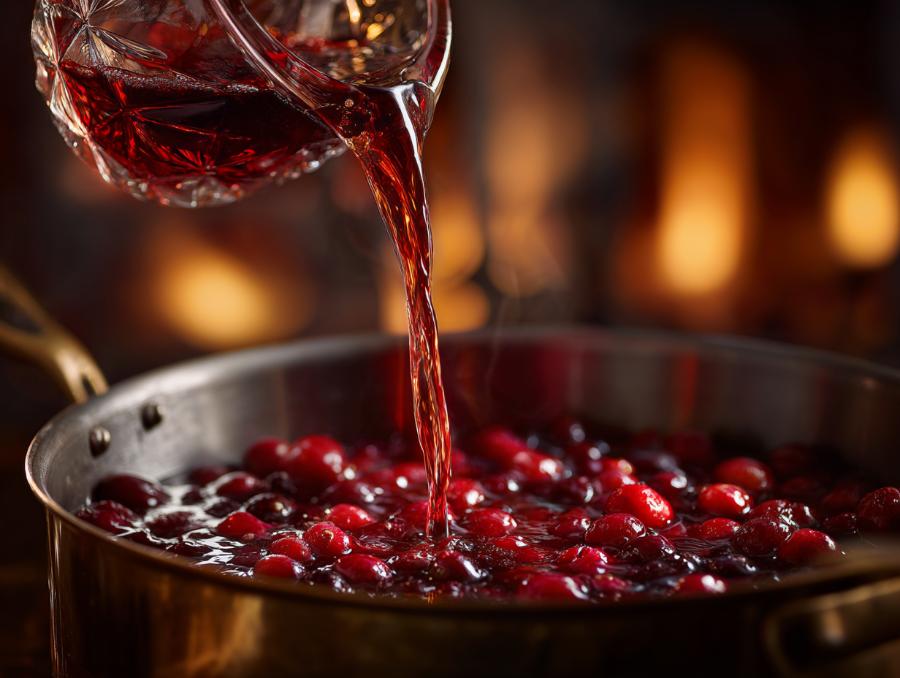
Adding alcohol to cranberry sauce is not a gimmick. A small amount of the right spirit genuinely changes the flavor of the finished sauce in ways that are hard to replicate otherwise. The alcohol mostly cooks off, but it carries flavor compounds from whatever you’re using and deposits them in the sauce. What stays behind is depth, not booze.
Port wine is the most common addition and the most forgiving. Add a quarter cup during cooking and it gives the sauce a rich, almost velvety quality. Bourbon works well with brown sugar instead of white, producing something darker and slightly smoky. Grand Marnier or Cointreau with orange zest pushes the sauce in a more elegant direction. Red wine with a pinch of black pepper is unusual and very good.
The method is again the basic stovetop approach, with the alcohol added to the pot along with or slightly before the cranberries. Cook it down fully so no harsh alcohol edge remains. The finished sauce should taste like a more complex version of cranberry sauce, not like cranberry sauce that had a drink. About a quarter cup of alcohol per twelve ounces of cranberries is the right ratio to start.
8. Blended Smooth Cranberry Sauce
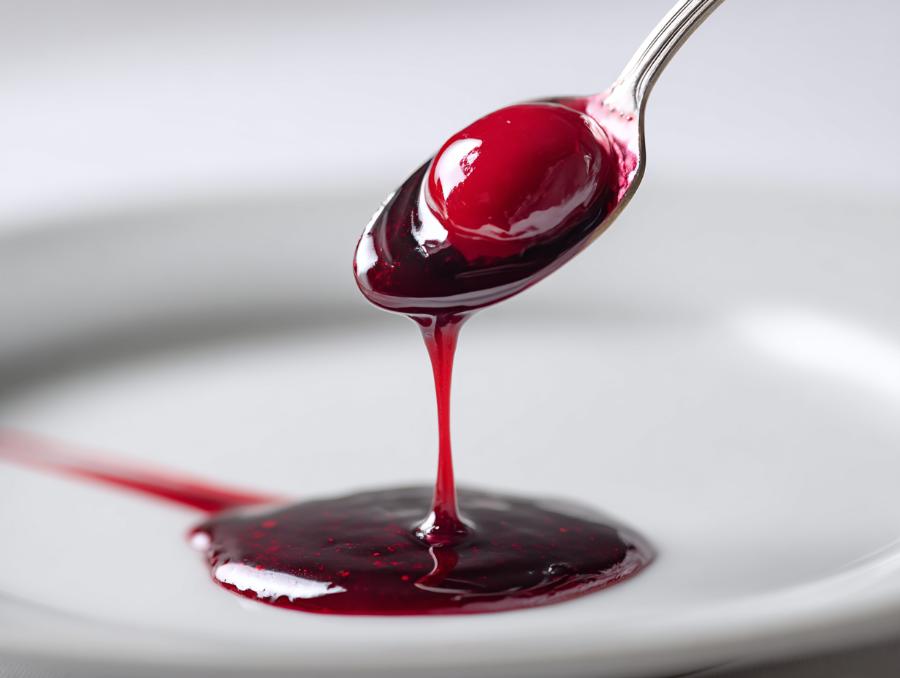
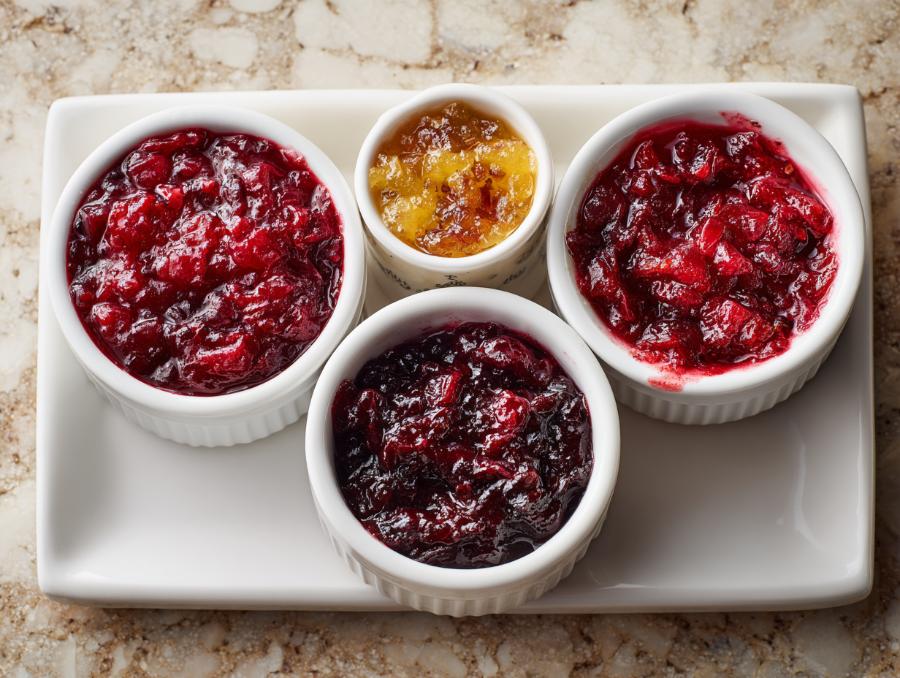
Most cranberry sauces, even well-made ones, have some texture to them. Bits of skin, the occasional whole berry, the slightly uneven surface of something hand-stirred. The blended smooth method eliminates all of that and produces something closer to a cranberry coulis, a sauce that’s completely uniform, pourable, and vibrant enough to use as a garnish on a plate.
Cook a standard batch of cranberry sauce on the stovetop until the berries are fully broken down. Let it cool slightly, then blend it in a high-powered blender until completely smooth. Pass it through a fine strainer if you want it truly silky. Return it to the pot and adjust the sweetness.
The result has an intensely bright color and a clean, direct cranberry flavor without any distractions. It works as a dessert sauce over cheesecake or panna cotta, as a glaze for meat, or as a swirl in yogurt. It’s also the version that photographs best if that matters to you, which on the internet increasingly it does.
9. Cranberry Sauce with Alternative Sweeteners
Standard cranberry sauce uses white granulated sugar because it’s neutral and it gels predictably. But the tartness of cranberries can be balanced with almost any sweetener, and each one changes the flavor profile of the finished sauce in a distinct way. This matters both for people managing sugar intake and for people who simply want a different result.
Honey adds floral notes and a softer sweetness. Use about three-quarters of the amount you’d use for sugar, since honey is sweeter. Maple syrup, especially a darker grade, adds a woodsy, caramel quality that works particularly well with warm spices. Coconut sugar produces a sauce with a slightly brown color and a mild butterscotch undertone. Monk fruit sweetener and erythritol both work for low-sugar versions, though the sauce may need a bit more cooking time to thicken since these sweeteners behave differently from sucrose with pectin.
The method stays the same regardless of sweetener. The main adjustment is quantity and timing. Liquid sweeteners like honey and maple syrup add extra moisture, so reduce the water or other liquid in the recipe by a few tablespoons to compensate. The result is a cranberry sauce that’s genuinely different, not just a substitution that works well enough.
10. Savory Cranberry Sauce
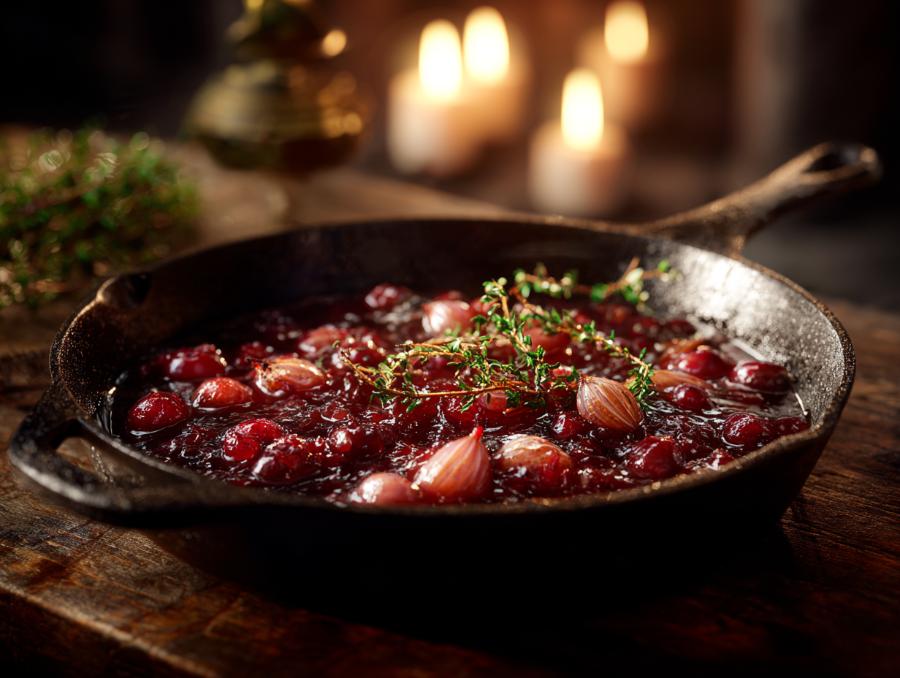
Most of the previous nine methods sit somewhere on the sweet side of the spectrum. This one goes in the opposite direction. Savory cranberry sauce uses shallots, garlic, fresh herbs, and acidic ingredients like balsamic vinegar or red wine vinegar to produce something that functions more like a chutney or a relish than a traditional sauce. Sugar is either absent or present in a very small amount just to balance the acid.
To make it, sauté one or two minced shallots in butter or olive oil until soft, then add the cranberries, a splash of balsamic vinegar, a small amount of chicken or vegetable stock, fresh thyme, and a tablespoon of brown sugar. Cook it until the cranberries burst and the liquid reduces to a thick, glossy sauce. Taste and adjust the salt and acid as you go.
The result is something that reads as a sauce rather than a condiment. It works on a charcuterie board, as a pan sauce for pork chops or chicken thighs, spread inside a grilled cheese sandwich, or alongside a sharp aged cheese. It’s the version most likely to confuse people who thought they knew what cranberry sauce was. That’s a compliment. Cranberries are more interesting than most people give them credit for, and savory preparations are where that becomes most obvious.
📊 All 10 Methods: Quick Comparison
Effort = hands-on time and complexity. Flavor depth = richness and complexity of the final result.
Classic Stovetop
Low effort
Slow Cooker
Minimal effort
Oven Roasted
Low effort
Jellied
Medium effort
Fresh Raw Relish
Minimal effort
Warm Spiced
Low effort
Spiked
Low effort
Blended Smooth
Medium effort
Alt. Sweeteners
Low effort
Savory Style
Medium effort
* Effort ratings reflect hands-on time and number of steps, not total cooking time.
Which Method Should You Actually Use?
If you’re making cranberry sauce for the first time, start with the classic stovetop method. Fifteen minutes, three ingredients, and you’ll understand what cranberry sauce is actually supposed to taste like. From there, every other variation on this list makes more sense because you have something to compare it to.
If you want maximum flavor with minimum effort, the slow cooker and the oven roasted methods are the ones worth knowing. If you want something genuinely different that most people have never tried, the savory version and the raw relish are where the interesting territory is.
Cranberry sauce is cheap to make, hard to ruin, and keeps well in the refrigerator for up to two weeks. There’s no good argument for making it only once a year. A jar of it in the fridge is useful in more ways than most people realize, and it takes about the same amount of time to make as waiting for delivery pizza.
Posted on cranby.com — your home for everything cranberry.